
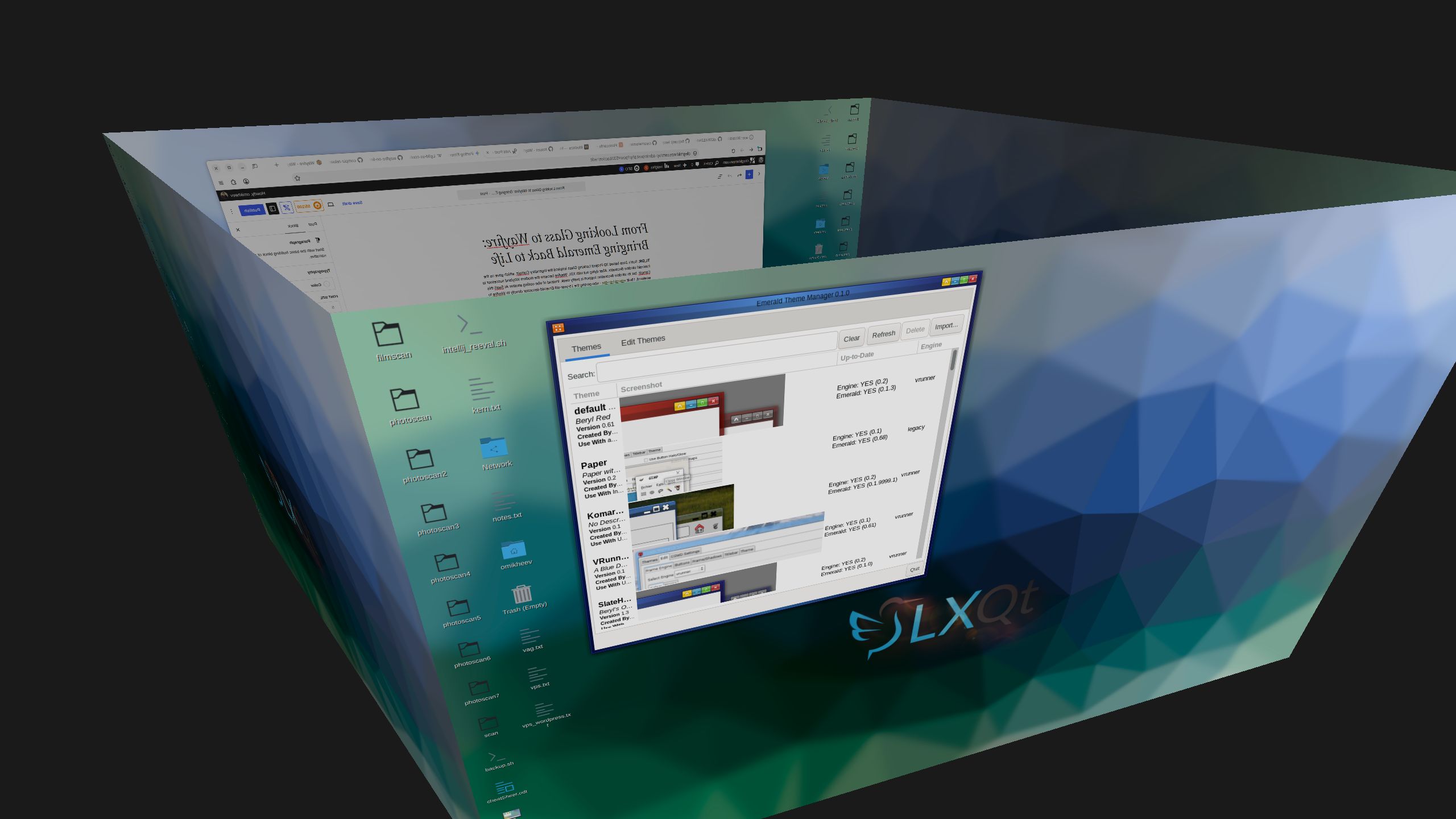
TL;DR: Sun’s Java-based 3D Project Looking Glass inspired the legendary Compiz, which gave us the Emerald window decorator. After dying out with X11, Wayfire became the modern Wayland successor to Compiz, but its window decoration support is pretty weak. Instead of vibe-coding another AI SaaS this weekend, I built emerald-on-fire – vibe-porting the 15-year-old Emerald decorator directly to Wayfire to bring rich, old-school Linux desktop customization back to the modern Wayland era.
Sun Microsystems’s Java 3D Desktop
Back in 2003 Sun Microsystems unveiled something that felt like looking directly into the future: Project Looking Glass. It was an experimental, completely Java-based 3D desktop environment that reimagined how we interact with our desktop.
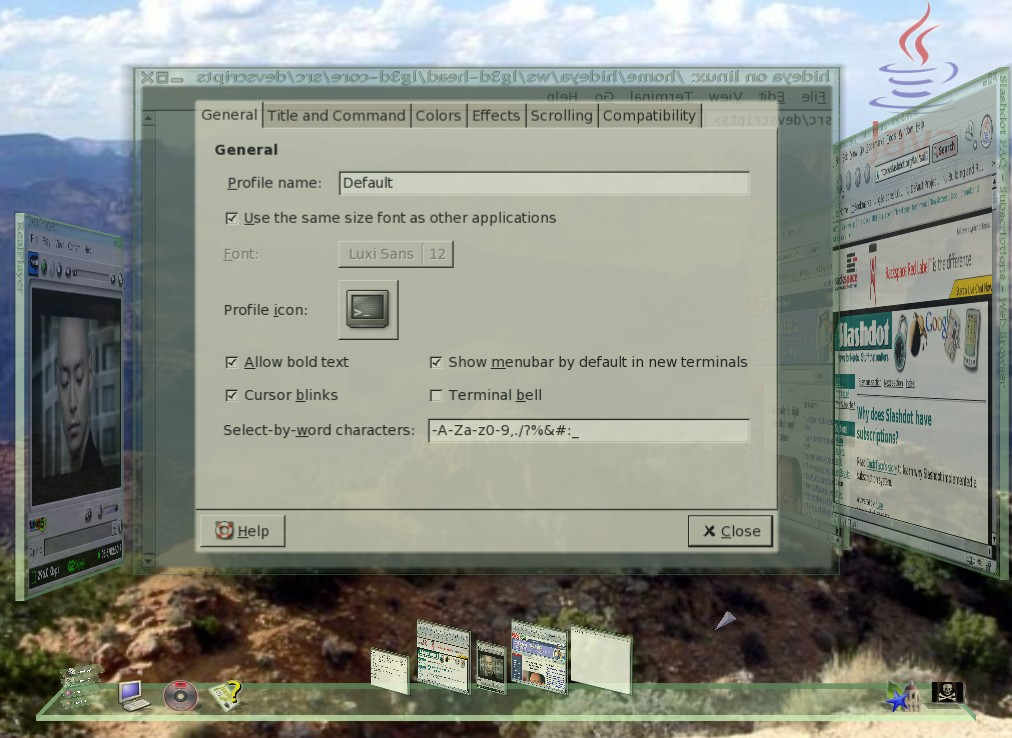
Looking Glass was disruptive. It caught the attention of Cupertino: shortly after the prototype was shown off, Steve Jobs personally called Sun’s Jonathan Schwartz. Jobs was furious, threatening that the 3D graphical effects were stepping all over Apple’s IP, which Apple took 20 years to implement as Vision Pro that unfortunately failed.
Project Looking Glass was shut down, but the dream of a fully composited, hardware-accelerated 3D workspace didn’t die. It was inherited by Linux, specifically through the legendary compositor Compiz.
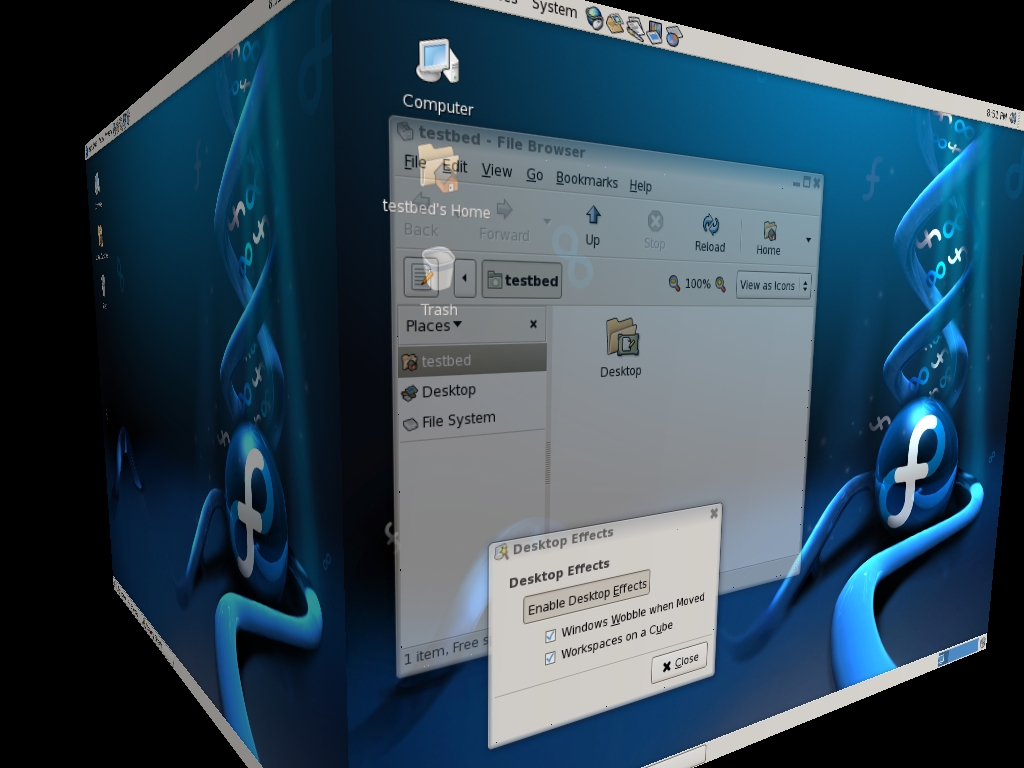
Compiz fundamentally changed what a desktop could be. We had the spinning cube, the wobbly windows, and all sorts of effects. It made Linux desktops look decades ahead of Windows and OS X. Not without help from its window decorator Emerald.
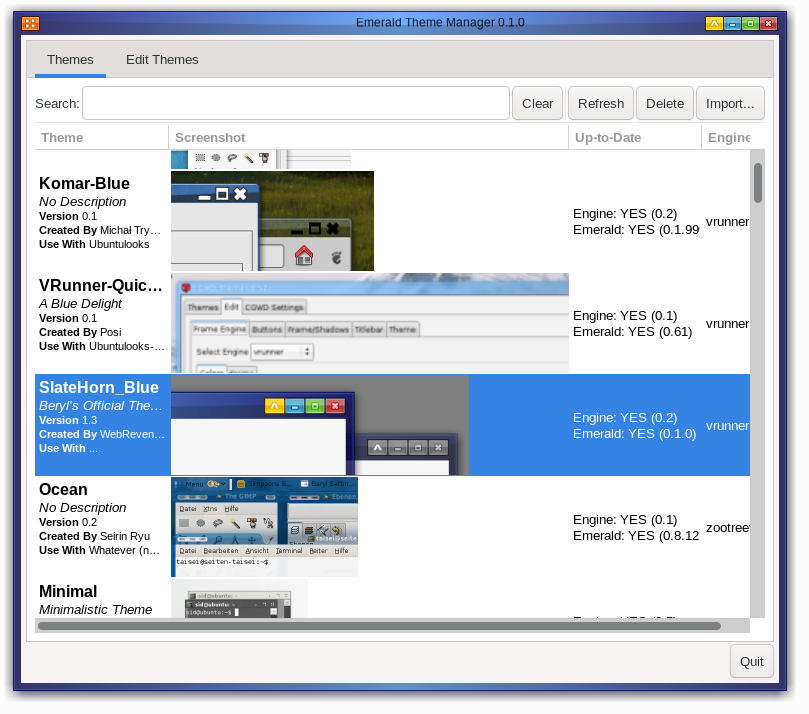
Emerald allowed for absolute, unhinged customization. It didn’t care about strict design guidelines; it gave you rich, translucent, glass-like borders, complex drop shadows, and complete control over the desktop aesthetic. Community of power users built highly personalized interfaces, flooding theme sites with .emerald files.
But technology marches on. The X11 display server started showing its age, and as the Linux ecosystem began the long, painful migration to Wayland, Compiz was left behind. When Compiz died, Emerald died with it.
The Modern Age: Wayfire’s Missing Piece
Fast forward to today. Most modern Linux distributions come with compositors built-in. However, if you are building a modern, highly customized Linux environment, you are looking for Wayland-native solutions.
The true spiritual successor to Compiz in the modern era is Wayfire. Built on wlroots, Wayfire brings back the wobbly windows, the grid, and the cube, all while leveraging modern Wayland protocols to keep things blazing fast.
But Wayfire has a glaring flaw: its window decoration support is notoriously weak. The default decorators are functional, but they completely lack the rich, customizable theming ecosystem that we used to take for granted. Wayland’s heavy push toward Client-Side Decorations (CSD) – where apps draw their own borders – has left standalone server-side decorators in the dust. Wayfire does support Server-Side Decorations (SSD), meaning a feature-rich decorator is technically possible. Someone just had to build it.
Emerald-On-Fire
This past weekend, I was faced with a choice. I could have spent my time vibe-coding another AI SaaS startup, stitching together LLMs and web frameworks. Instead, I decided it was time to dive back into C, C++, and Wayland protocols to fix a problem that has bothered me for years.
So, I vibe-coded emerald-on-fire.
This project is a direct “vibe-port” of the original, 15-year-old Emerald decorator, resurrected and rewired specifically for Wayfire. It’s not just a translation; it involved ripping out decades of X11-specific legacy code and making the engine speak fluent Wayland IPC.
It bridges the gap between the legendary customization of the Compiz era and the modern performance of Wayland. With emerald-on-fire, Wayfire finally has the robust, themeable window borders that power users have been missing. We can finally bring back the translucent, glass-like UI themes that made the Linux desktop so unapologetically fun to look at.
The 3D desktop dream didn’t die with Looking Glass, and the theming dream didn’t die with Compiz. It just needed a little porting.
Leave a Reply